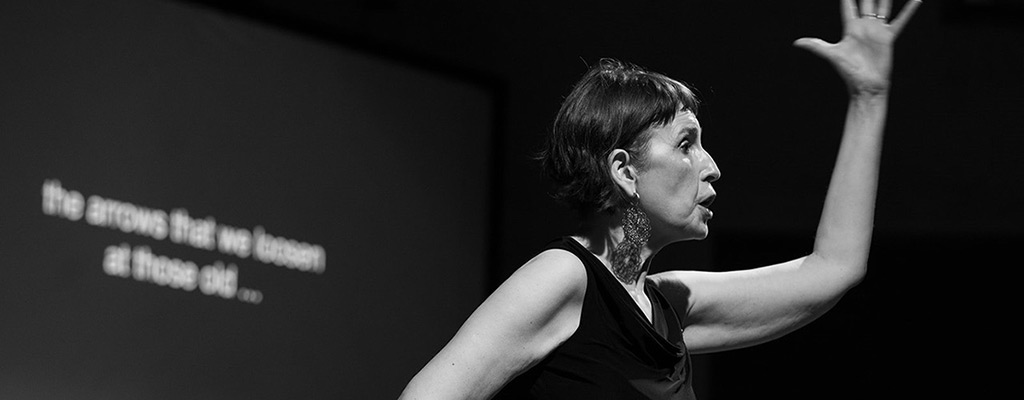
A Medieval Cabaret
Creation in June 2027
How, at the turn of the twentieth century, did the rediscovery of medieval music travel beyond the walls of scholarship — crossing into salons, theaters, and even cabarets?
This new creation by Ensemble Dialogos, developed during a residency at the Villa Albertine in New York under the patronage of Sorbonne University, centers on the fascinating figure of Yvette Guilbert (1865–1944).
Guilbert defies categorization. A café-concert singer, actress, and storyteller — and a cultural bridge between Belle Époque Paris and Gilded Age New York — she moved fluidly between elegant salons and cabaret stages. Immortalized by Henri de Toulouse-Lautrec's paintings, with her elongated silhouette and black gloves, she rose from the cabaret stage to international acclaim — and, less widely recognized, became a unique force in the French early music revival.
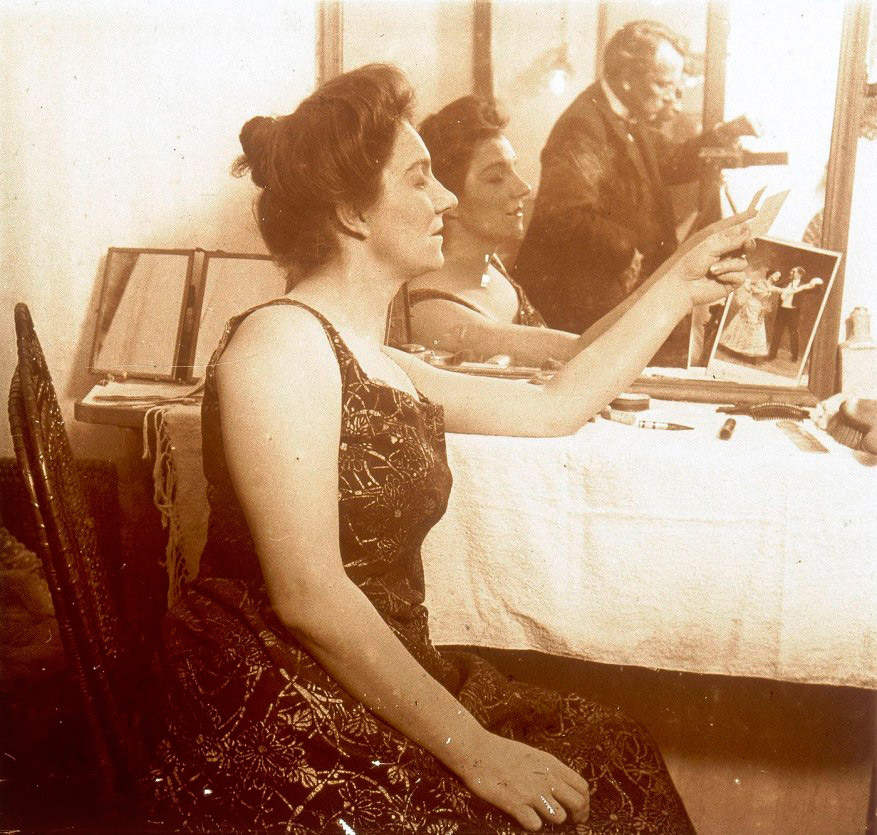
In the second part of her career, she built a new repertoire, immersed herself in medieval poetry, rhetoric, gesture, and costume, and performed French early music at American universities and at Carnegie Hall. During the First World War, she founded a school for young women in New York — many from immigrant families on the Lower East Side — where she taught song and declamation. She introduced early music to audiences across Europe and the United States with notable success — not as antiquarian curiosity, but as vivid performance, never fully escaping her cabaret roots, with their irresistible and irreverent energy. She was not an eccentric curiosity — she was a cultural phenomenon, a beloved performer, and a fashion icon.
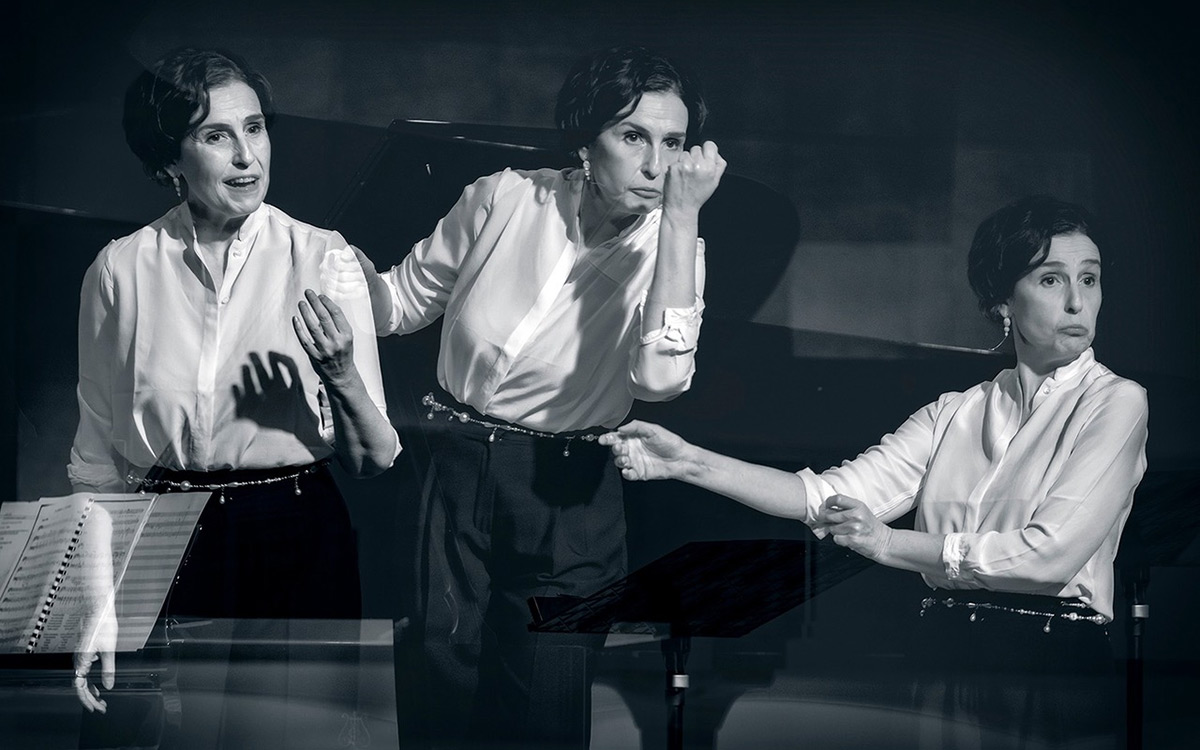
Our medieval cabaret program is conceived as an intimate musical and theatrical salon, revisiting Guilbert’s early music repertoire through its dialogue with early twentieth-century cabaret. It weaves together medieval musical sources and Guilbert’s own reimaginings of those same songs, allowing one to unfold into the other, along with excerpts from letters and stories, to create a world in which a troubadour song meets a hilariously sharp cabaret story — where elegance meets edge. Rather than stretching the frame of early music, this project reveals how expansive — and how stylish — that frame has always been.
The aim is neither archivism nor cultural tourism nor irony. It is perspective — and Guilbert understood that instinctively. By tracing her path, this creation unites research and emotion, historical awareness and immediacy — an invitation to hear the Middle Ages differently: not as a distant artifact, but as a living, personal voice.
For an audience committed to early music, the program offers discovery. For listeners drawn to artistic expansion and curiosity, it offers energy, refinement, and a distinctly Paris–New York, Belle Époque–Gilded Age dialogue.
Katarina Livljanić, voice, direction
Albrecht Maurer, violin
Michelangelo Rinaldi, piano, accordeon, toy piano
 Facebook
 Instagram